About the Workshop
Simulation has long been a valuable tool for robotics, but its role is fundamentally shifting. Simulators are now integrated components of deployment pipelines, not merely prototyping aids. This shift, embodied in sim-to-real transfer, is rapidly redefining how robots are designed and validated at scale.
Yet the simulation-reality gap remains one of the most unsolved problems in modern robotics. The community is responding by exploiting real-world data to refine simulators through real-to-sim techniques. Together, sim-to-real and real-to-sim form a closed-loop framework that extends the classical foundations of system identification and adaptive control , fields with decades of rigorous theory that both communities have every reason to build upon. Two forms of fragmentation currently limit collective progress. First, model-driven and data-driven researchers often work in isolation. Second, system identification, adaptive control, and sim-to-real are treated as competing paradigms rather than complementary instruments facing the same problem.
In this context, this full-day workshop makes a targeted intervention across IROS’s core tracks, namely control, learning, and perception, with four concrete objectives: first, consolidate fragmented knowledge across communities; second, align research directions between control and learning communities; third, facilitate translation of academic advances into real-world deployment, and fourth, promoting inter-generational exchange between speakers from academia and industry, students, early-career researchers, and engineers.
Unlike prior events that have addressed sim-to-real at the application layer, this workshop treats it as a foundational methodological problem approached through the lens of control theory, a framing that so far has remained absent from the conference landscape.
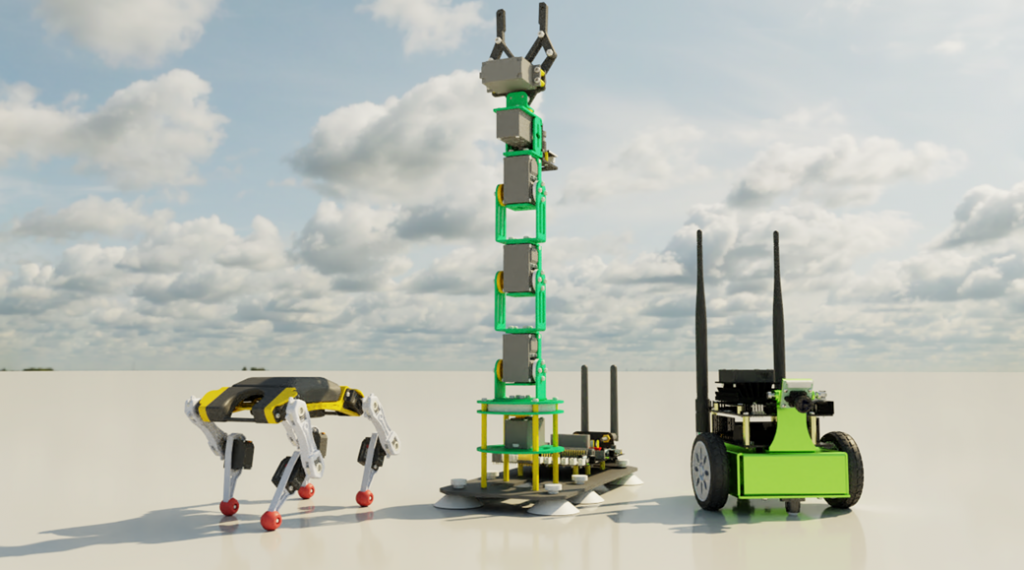
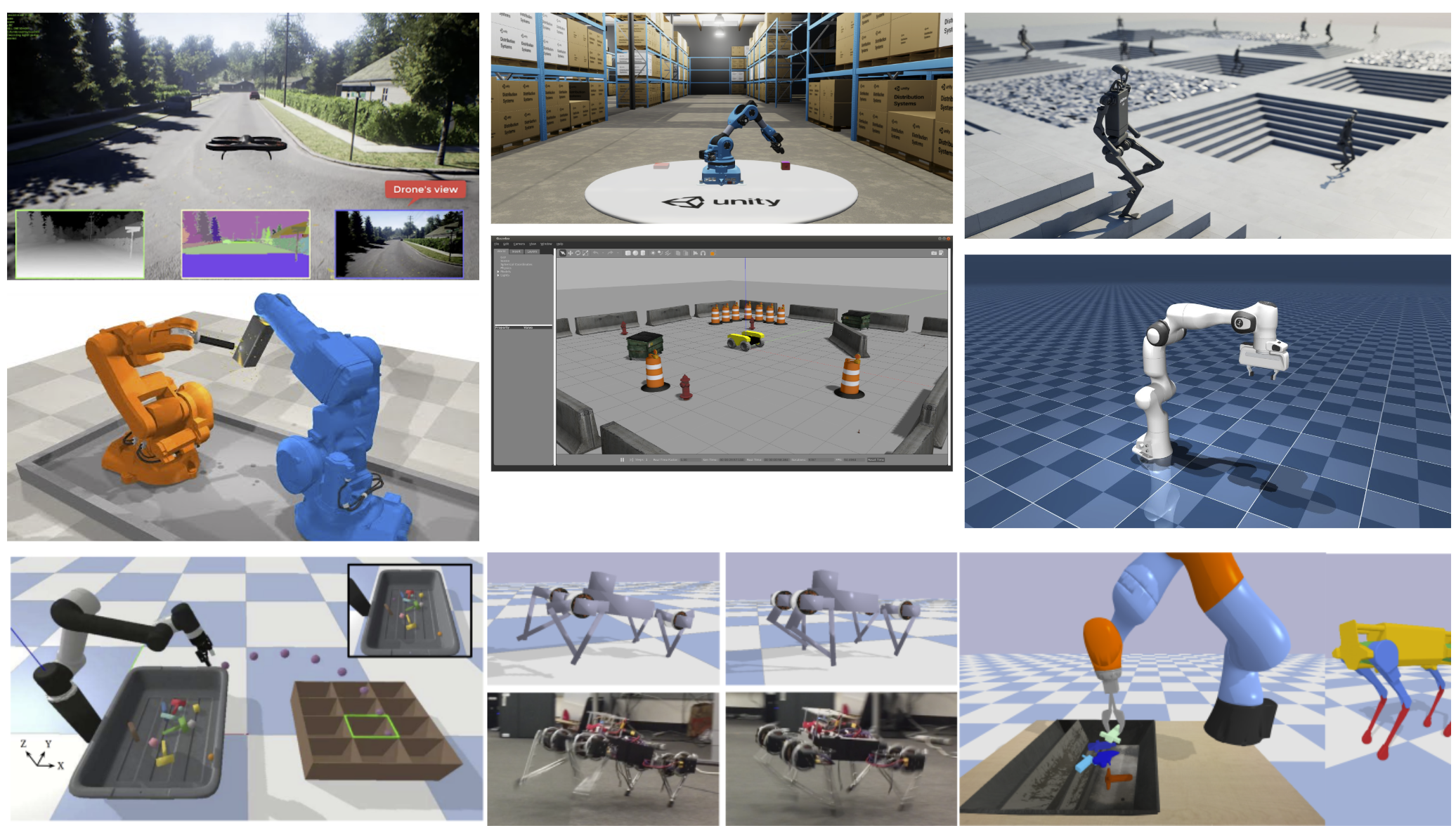
Call for Contributions
We invite researchers and practitioners in mobile robotics, manipulation, sim-to-real transfer to contribute to our workshop by submitting a four-page paper (excluding references) in IROS format as a PDF (Guidelines here).We welcome contributions (extended versions of existing work, work in progress / early-stage ideas, submissions under review elsewhere, recent results published elsewhere) across a wide range of topics, including (but not limited to)::
- Sim-to-Real and Real-to-Sim Transfer for Whole-Body Control of Mobile Platforms and Manipulators
- Adaptive Control and Online System Identification
- Hybrid Methods: Combining Classical and Adaptive Control with Machine Learning
- World Models and System Identification for Sim-to-Real Gap Reduction
- Data Augmentation, Domain Randomization, and Benchmarking for Sim-to-Real
- Foundation Models and Large-Scale Pretraining for Robotics
- Transfer and Continuous Learning for Interaction Control
- Theoretical Guarantees, Safety, and Robustness in Sim-to-Real
- Iterative Co-Improvement of World Models and Controllers / Policies
- Data-Driven Modeling and Hybrid Control Architectures
- World Models for Synthetic Robot Data Generation
In addition to research papers, we also welcome videos and presentations on relevant topics.
All submissions will undergo a rigorous peer review, with at least two high-quality reviews per paper. Selected papers will be presented as posters at the workshop, and outstanding contributions will be selected for presentations.
🏆 Best Paper Awards
To recognize excellence, the best two papers will receive the PAL-Robotics Best Application Paper Award ($300) and the Automatic Control Group Best Methodology Paper Award ($500).
Award recipients will be announced during the workshop closing session.
📌 Best Poster Award
A Best Poster Award will also be presented to recognize an outstanding poster contribution at the workshop.
The award(~$300) is offered by the Robot Control Technical Committee.
Important Dates
- Early Submission Deadline: June 20th, 2026
- Regular Submission Deadline: August 20th, 2026
- Regular Submission Deadline-Extended: September 1st, 2026
- Final / Late-Breaking Deadline: September 10th, 2026
- Submission Status: Submissions are now closed
- Notification of Acceptance: September 15th, 2026
Due to the large number of papers received, the notification of acceptance has been postponed from September 10th to September 15th, 2026. We apologize for any inconvenience this may cause and appreciate your patience and understanding. - Workshop Date: October 1, 2026, 08:30–17:30
Submission Instructions
Preferred Method (Open Review): Submit electronically via the Submission Portal
Link: Open Review
Review Process: Single-blind peer review (reviewers will know the authors' identities, while reviewer identities will remain anonymous to authors).
Alternative Method (Email): If you encounter insurmountable technical issues with OpenReview, you may submit via email to sim2realgap.iros26@gmail.com.
⚠️ Please note: Submissions must follow the IROS format guidelines and be limited to either two or four pages, with the page count excluding references.
Questions for Speakers
Have a question for one of the speakers at the Sim2Real & Classical Control Workshop (S2RCC 2026)?
You may submit questions related to talks. Selected questions may be addressed during or after the sessions.
For questions related to paper submissions or reviews, please contact us via email at sim2realgap.iros26@gmail.com .
Ask a QuestionWorkshop Information
📍 Venue
DAVID L. LAWRENCE CONVENTION CENTER
Rooms 303 & 304
Pittsburgh, PA
🖼️ Posters
Digital: Submit by September 24, 2026
PNG and PDF versions via sim2realgap.iros26@gmail.com
Printed:
Follow the official IROS 2026 poster guidelines
🎤 Oral Presentations
7 minutes per presentation.
✅ Accepted Papers
Conditionally accepted papers are now accepted and included in the workshop.
Schedule
- 08:25 - 08:30: Introduction, Welcome & Overview
- Session 1: Invited Talks - Part I - Research Perspective
- 08:30 - 09:00: Prof. Hua Wei + Q&A
- 09:00 - 09:30: Grzegorz Dariusz Malczyk + Q&A
- 09:30 - 10:00: Prof. Angela Schoellig + Q&A
- 10:00 - 10:15: Coffee Break
- Session 2: Invited Talks - Industrial Perspective
- 10:15 - 10:45: Dr. Ferran Gebellí Guinjoan (PAL Robotics) + Q&A
- 10:45 - 11:15: Dr. John Subosits (Toyota Research Institute) + Q&A
- 11:15 - 11:30: Coffee Break
- Session 3: Poster Session
- 11:30 - 12:30: Poster Session
- 12:30 - 13:30: Lunch Break
- Session 4: Spotlight Presentations
- 13:30 - 13:37: FADA: Few-Shot Domain Adaptation via Dynamics Alignment for Humanoid Control - Angchen Xie, Nikhil Sobanbabu, Ishayu Shikhare, Alan Wang, Max Simchowitz, Guanya Shi
- 13:37 - 13:44: Bridging the Sim-to-Real Gap for Artificial-Muscle-Driven Continuum Robots Using Physics-Informed Koopman-MPC - Jiahe Wang, Eron Ristich, Eric Weissman, Yi Ren, Jiefeng Sun
- 13:44 - 13:51: Drone Soccer: Learning to Manipulate with Multicopter Downwash - Neelay Joglekar, Bavin Saravanan, Yutong Wang, Varun Kandiyappan, Junyi Geng, Sebastian Scherer
- 13:51 - 13:58: Superhuman Safe and Agile Racing through Multi-Agent Reinforcement Learning - Ismail Geles, Leonard Bauersfeld, Markus Wulfmeier, Davide Scaramuzza
- Session 5: Invited Talks - Part II - Research Perspective
- 14:00 - 14:30: Prof. Katerina Fragkiadaki + Q&A
- 14:30 - 15:00: Prof. Siyuan Huang + Q&A
- 15:00 - 15:30: Dr. Ajay Mandlekar + Q&A
- 15:30 - 15:45: Coffee Break
- Session 6: Round Table & Awards
- 15:45 - 16:30: Round Table Discussion
- 16:30 - 16:45: Awards & Final Remarks
- End of Full Day Workshop
Speakers
Research Representatives
Prof. Hua Wei
Arizona State University, Tempe, USA
Dr. Ajay Mandlekar
NVIDIA Research
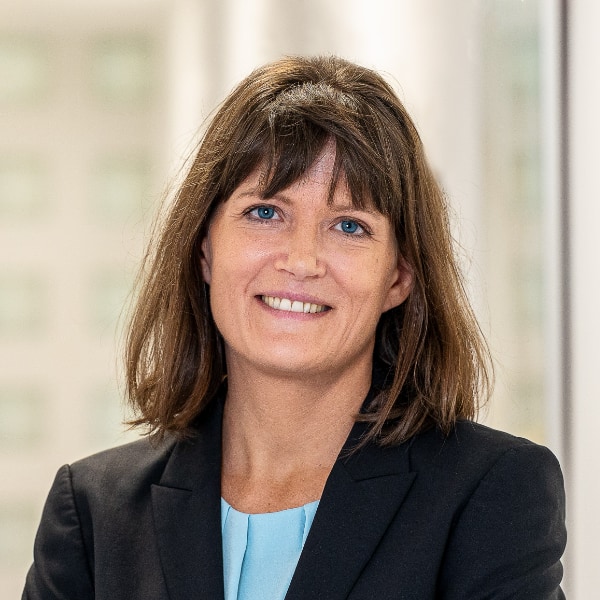
Prof. Angela Schoellig
Technical University of Munich, Munich, Germany
Prof. Katerina Fragkiadaki
Carnegie Mellon University, Pittsburgh, USA
Prof. Siyuan Huang
Beijing Institute for General Artificial Intelligence, Beijing, China
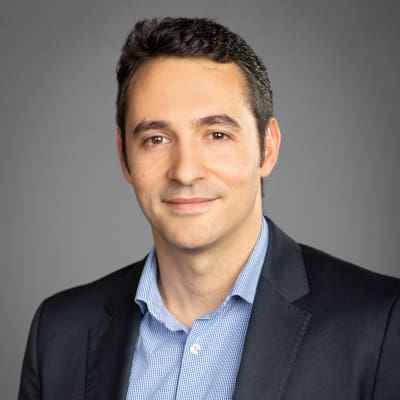
Prof. Kostas Alexis
Norwegian University of Science and Technology, Trondheim, Norway
Industry Representatives
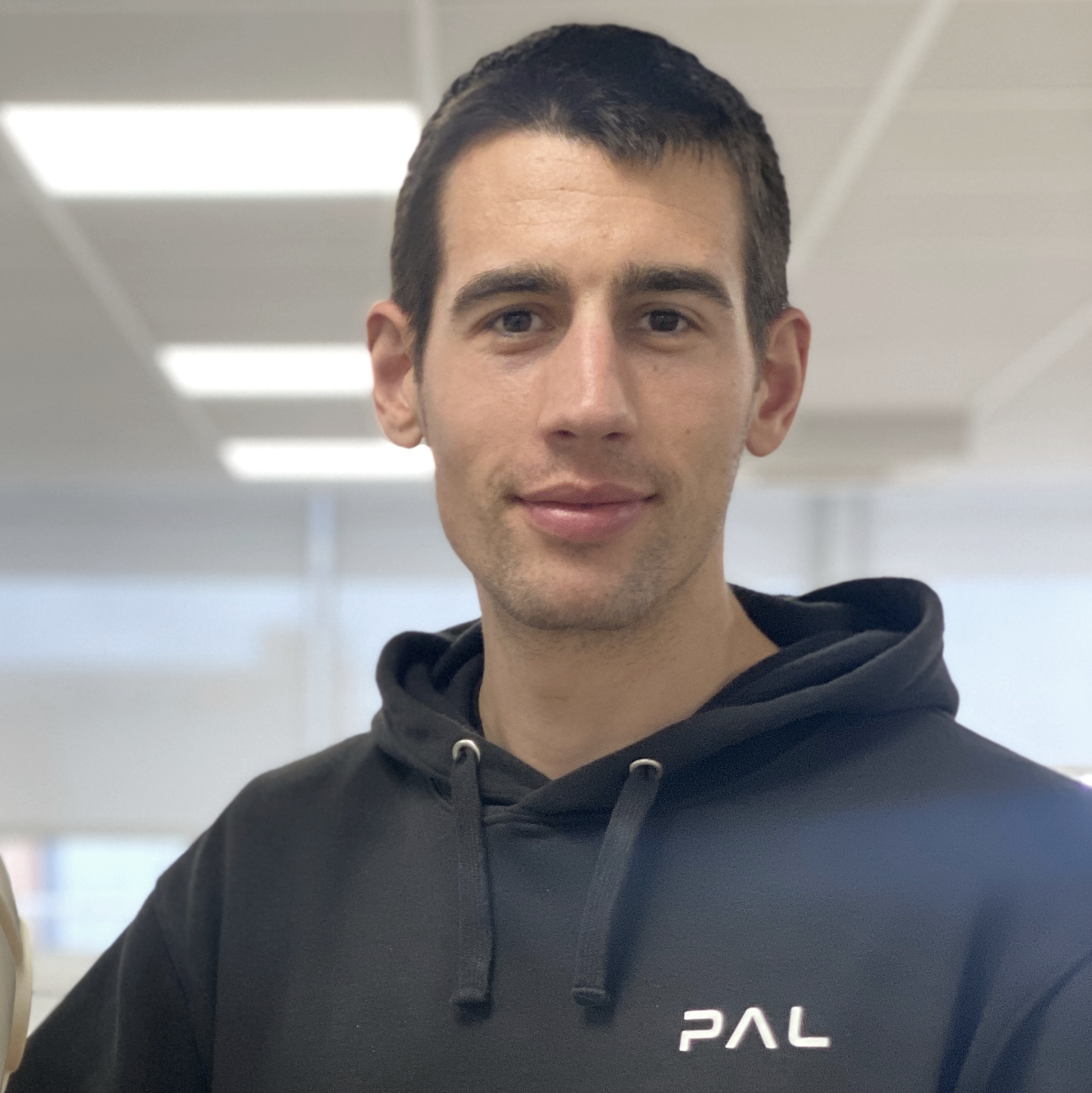
Dr. Ferran Gebellí Guinjoan
PAL Robotics
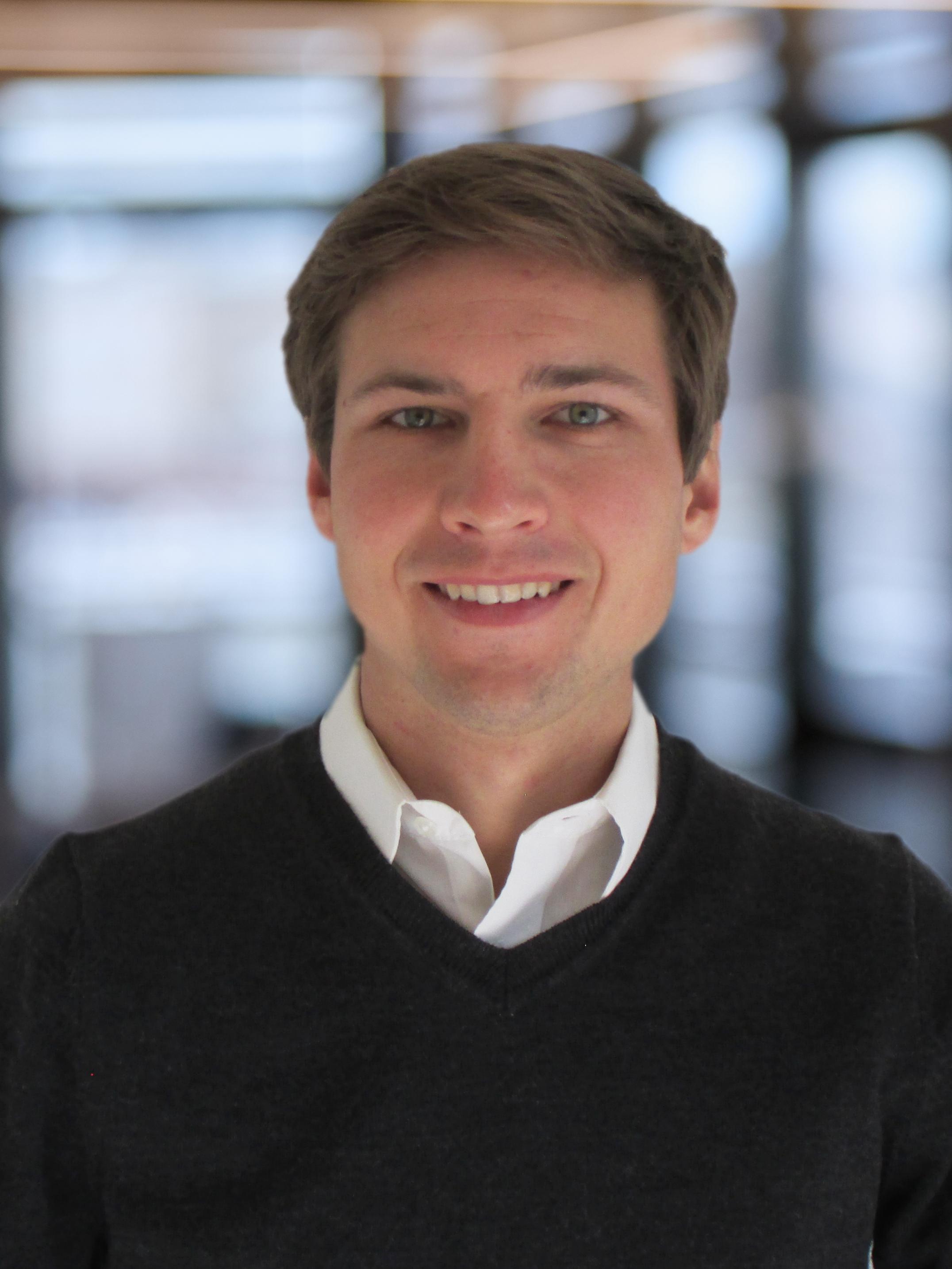
Dr. John Subosits
Toyota Research Institute
Steering Committee


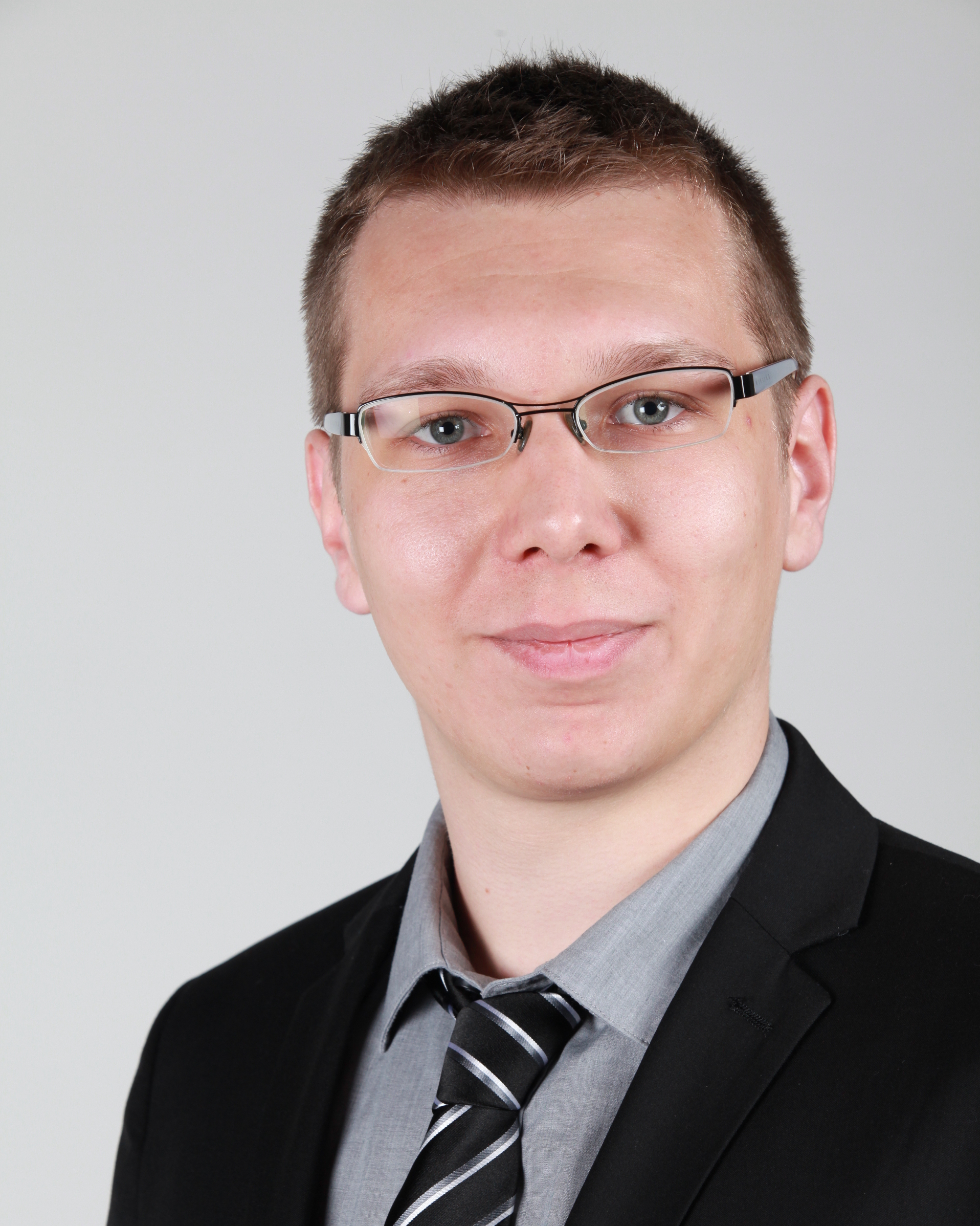
Organizers
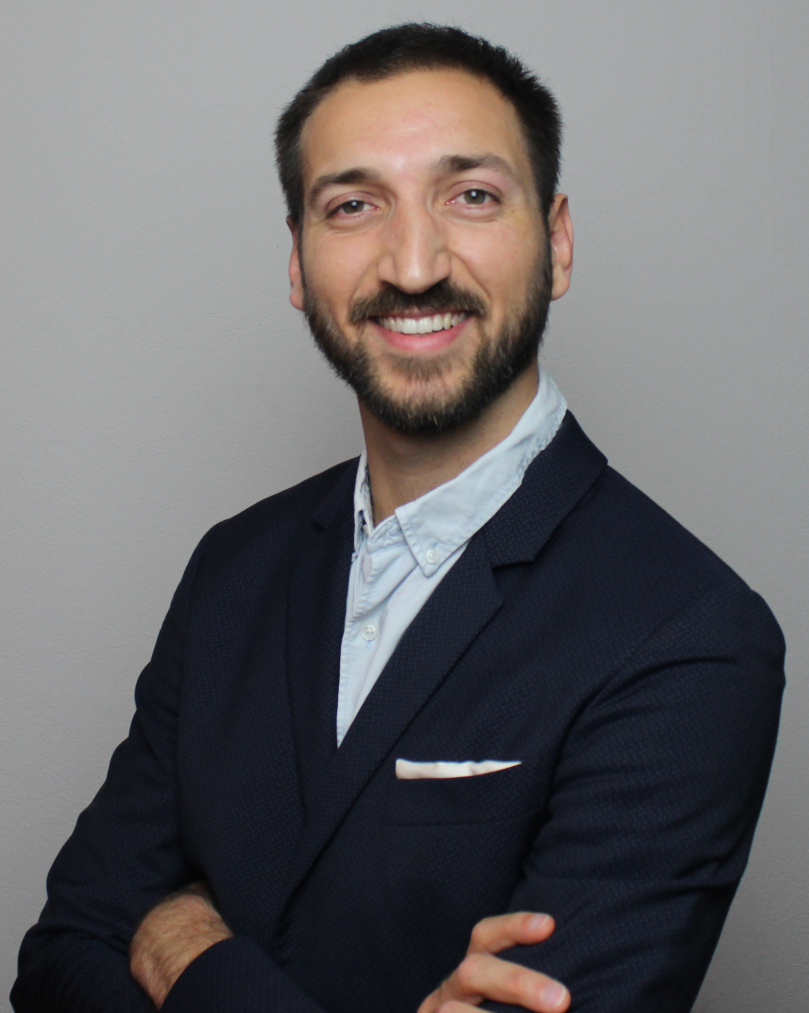
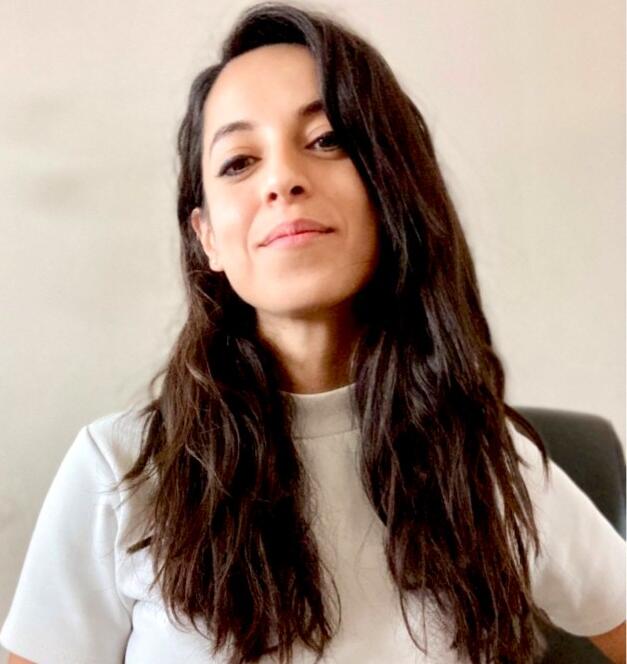



Support

PAL Robotics
Automatic Control Group
University of Salerno

Robot Control TC
IEEE Robot Control Technical Committee
Endorsement
IEEE RAS Technical Committee on Robot Learning
IEEE RAS Technical Committee on Whole-Body Control